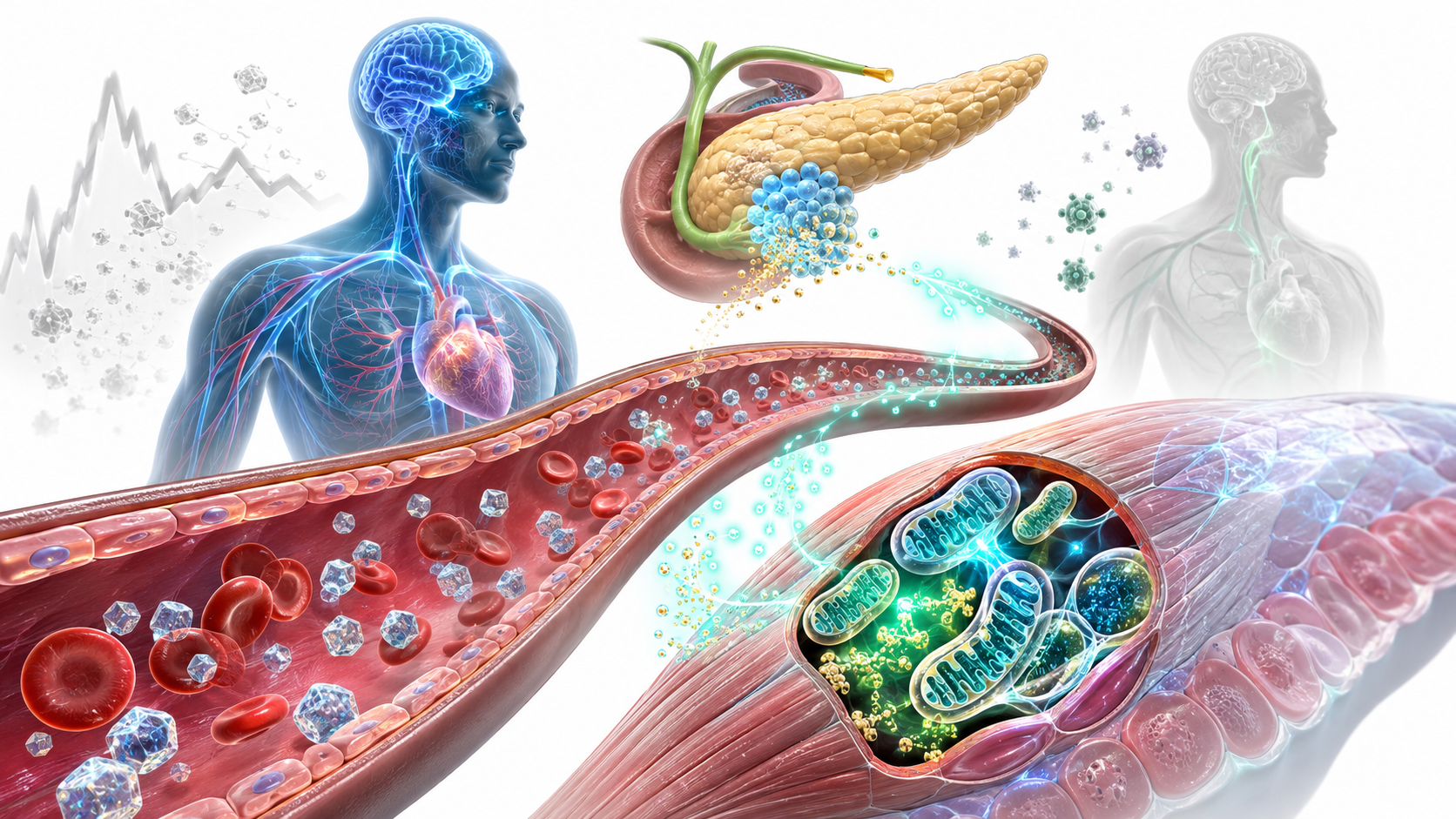
Scientists studying longevity increasingly agree that aging is not driven by a single factor. Instead, it is the result of many interconnected biological processes, including inflammation, oxidative stress, mitochondrial function, hormone regulation, and metabolic health. Blood sugar sits at the center of many of these systems.
When glucose is well regulated, your cells receive a steady supply of energy without placing unnecessary stress on your metabolism. However, frequent blood sugar fluctuations over many years may contribute to biological changes associated with aging.
Persistently elevated blood glucose can gradually damage multiple systems in the body, particularly the blood vessels and nerves, which is one reason glucose regulation matters for long-term health.
Rather than focusing solely on preventing diabetes, optimizing blood sugar is about supporting the health of your entire body—from your brain and heart to your muscles and immune system.
Let’s look at how stable blood sugar supports long-term health.
Blood Sugar and Cellular Energy
Every cell in your body requires energy to survive.
Once glucose enters a cell, it is converted into ATP (adenosine triphosphate), the molecule that powers virtually every biological process. This conversion happens primarily inside the mitochondria, often referred to as the cell’s power plants.
Healthy mitochondria efficiently transform glucose into usable energy. But when excess glucose is constantly available, these energy-producing systems may become less efficient over time. Researchers believe this can increase the production of reactive oxygen species (ROS), which contribute to oxidative stress when they exceed the body’s antioxidant defenses.
Although oxidative stress is a normal part of metabolism, chronic excess may damage proteins, DNA, and cell membranes, making it one of the recognised hallmarks of aging.
This is why maintaining healthy blood sugar isn’t simply about preventing disease—it’s also about supporting efficient energy production at the cellular level.
Read next: How Glucose Spikes Affect Your Mitochondria
Blood Sugar and Inflammation
Inflammation is your body’s natural defense mechanism against infection and injury. In the short term, it is essential for healing.
Problems arise when low-grade inflammation persists for months or years.
Research suggests that repeated glucose spikes and poor metabolic health may contribute to chronic inflammation, sometimes referred to as metaflammation. Unlike acute inflammation, this subtle, ongoing immune activation can affect blood vessels, joints, muscles, and other tissues throughout the body.
While inflammation has many causes—including smoking, obesity, poor sleep, chronic stress, and physical inactivity—maintaining stable blood sugar is one practical way to support a healthier inflammatory response.
Blood Sugar and Brain Health
Your brain is one of the most energy-demanding organs in the body.
Although it represents only a small percentage of your body weight, it consumes approximately one-fifth of your resting energy needs. A consistent supply of glucose is therefore essential for concentration, memory, and cognitive performance.
Large swings in blood sugar may contribute to temporary symptoms such as fatigue, irritability, difficulty concentrating, or the familiar “afternoon slump.” While these experiences vary from person to person, they illustrate how closely brain function is linked to metabolic health.
Scientists are also exploring how long-term insulin resistance and impaired glucose metabolism may influence age-related cognitive decline. Although research is ongoing, maintaining healthy metabolic function appears to be one important component of protecting brain health throughout life.
Blood Sugar and Heart Health
Cardiovascular disease remains one of the leading causes of death worldwide, and metabolic health plays a major role in determining risk.
Persistently elevated blood sugar may affect the delicate lining of blood vessels, known as the endothelium. Healthy endothelial cells help regulate blood flow, blood circulation, and pressure. When these cells become impaired, cardiovascular risk may gradually increase.
Blood sugar is only one piece of the puzzle. Blood pressure, cholesterol levels, smoking, physical activity, sleep, and body composition all work together to influence heart health.
Optimizing glucose should therefore be viewed as part of a broader strategy for lifelong cardiovascular wellness.
Practical Strategies to Optimize Blood Sugar Naturally
The good news is that blood sugar is highly responsive to lifestyle.
Small, consistent habits often produce greater long-term benefits than short-term diets or restrictive eating plans.
Here are the evidence-based foundations of healthy blood sugar management.
1. Build Your Meals Around Whole Foods
Whole foods are generally digested more slowly than highly processed foods and often contain more fibre, vitamins, minerals, and beneficial plant compounds.
Aim to fill most meals with:
- Vegetables
- Fruits
- Whole grains
- Legumes
- Lean proteins
- Fish
- Eggs
- Nuts and seeds
- Healthy fats such as olive oil and avocado
Rather than eliminating carbohydrates, choose higher-quality sources that provide sustained energy.
2. Prioritize Fibre
Dietary fibre slows digestion and reduces the speed at which glucose enters the bloodstream.
High-fibre foods also promote satiety, support digestive health, and nourish beneficial gut bacteria.
Excellent sources include:
- Oats
- Beans
- Lentils
- Chia seeds
- Flaxseed
- Apples
- Berries
- Broccoli
- Leafy greens
Read next: Fiber: The Forgotten Blood Sugar Superpower
3. Eat Enough Protein
Including protein with meals can help increase fullness and slow gastric emptying, resulting in a more gradual rise in blood sugar after eating.
Good protein choices include:
- Fish
- Chicken
- Eggs
- Greek yogurt
- Tofu
- Tempeh
- Legumes
4. Stay Physically Active
Exercise is one of the most effective ways to improve glucose regulation.
Aerobic exercise, resistance training, and even light activity after meals all help muscles use glucose more efficiently.
Current physical activity guidelines generally recommend:
- At least 150 minutes of moderate-intensity aerobic activity each week.
- Strength training involving major muscle groups at least twice weekly.
Even a 10–15 minute walk after eating may help reduce post-meal glucose levels.
Read next: Walking After Meals: The Simplest Blood Sugar Hack
5. Build and Maintain Muscle
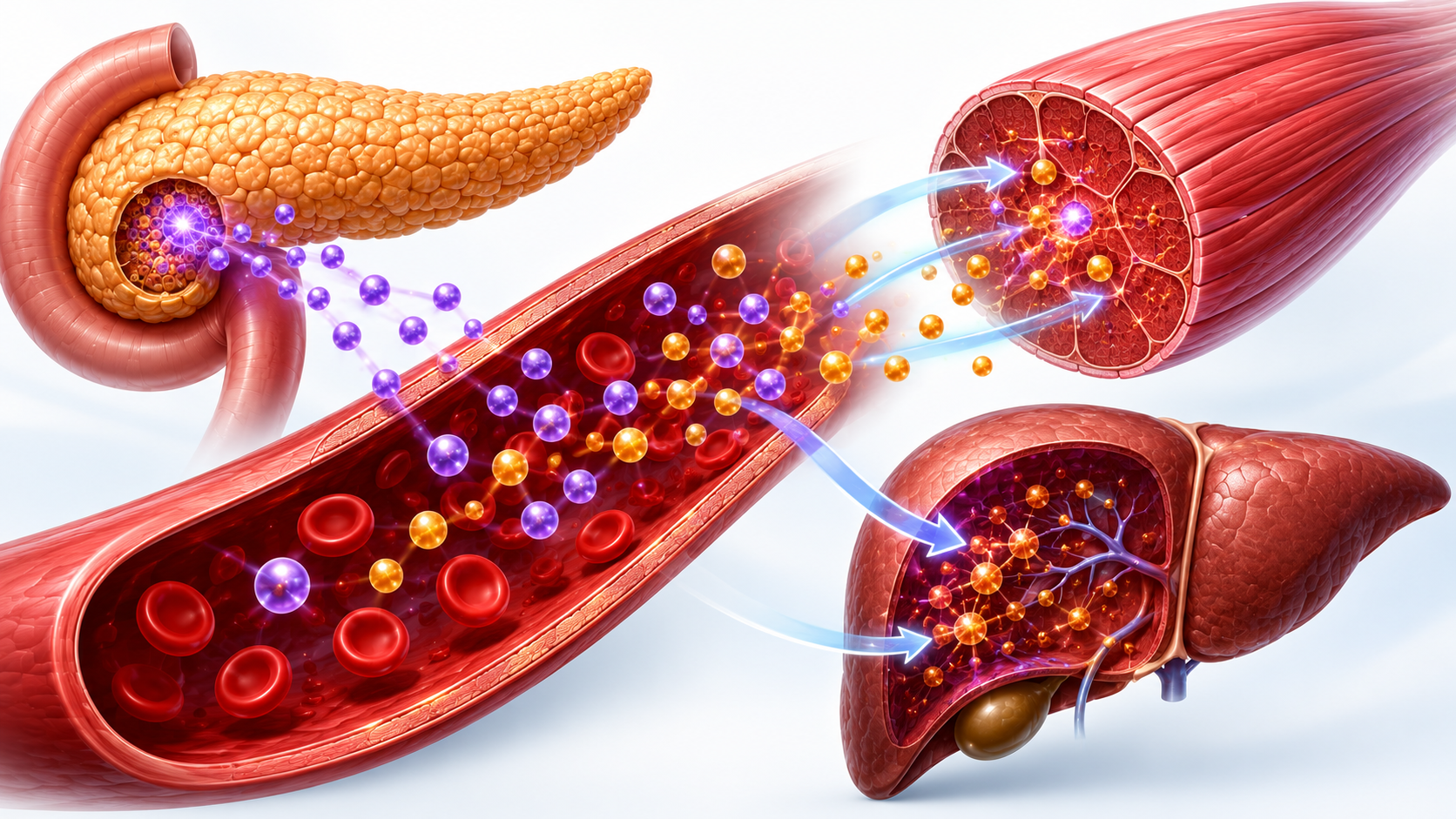
Muscle tissue acts as your body’s largest storage site for glucose.
Maintaining muscle mass through resistance training and adequate protein intake can improve insulin sensitivity and support healthy metabolism as you age.
This becomes increasingly important after the age of 40, when muscle mass naturally begins to decline if it is not actively maintained.
6. Prioritize Quality Sleep
Sleep influences nearly every hormone involved in appetite, metabolism, and glucose regulation.
Adults should generally aim for 7–9 hours of quality sleep each night. Improving sleep hygiene may be one of the simplest ways to support long-term metabolic health.
7. Manage Stress
Chronic stress increases cortisol production, which can temporarily raise blood glucose by encouraging the liver to release stored glucose into the bloodstream.
Helpful stress-management strategies include:
- Regular physical activity
- Meditation
- Deep breathing
- Spending time outdoors
- Maintaining social connections
- Consistent sleep habits
Should You Use a Continuous Glucose Monitor (CGM)?
Continuous glucose monitors have become increasingly popular among athletes, biohackers, and health-conscious individuals.
A CGM uses a small sensor placed beneath the skin to measure glucose levels throughout the day and night.
For people with diabetes, CGMs can be an invaluable tool for managing treatment.
For individuals without diabetes, the picture is less clear.
A CGM can provide useful insights into how specific foods, exercise, sleep, and stress affect your personal glucose responses. However, glucose naturally fluctuates throughout the day, and not every spike is a cause for concern.
Current evidence does not support routine CGM use for everyone. Instead, these devices may be most useful when interpreted alongside broader health goals and, where appropriate, with guidance from a qualified healthcare professional.
Read next: Continuous Glucose Monitors: Should Healthy People Use One?
Frequently Asked Questions
What is a healthy blood sugar level?
Healthy blood sugar ranges vary depending on whether you have eaten recently, your age, and your overall health. Your healthcare provider can help interpret your results based on your individual circumstances.
Are carbohydrates bad for blood sugar?
No. Carbohydrates are the body’s preferred source of energy. The quality, quantity, and overall composition of your meals matter far more than avoiding carbohydrates entirely.
Can exercise lower blood sugar?
Yes. Both aerobic exercise and resistance training help muscles absorb glucose more efficiently and improve insulin sensitivity over time.
Is fruit bad for blood sugar?
Whole fruit contains natural sugars along with fibre, vitamins, minerals, and antioxidants. For most people, fruit can be part of a healthy, balanced diet.
How long does it take to improve blood sugar?
Some improvements in glucose regulation can occur within days of increasing physical activity or improving diet. More meaningful changes in insulin sensitivity and metabolic health generally develop over weeks to months through consistent healthy habits.
Key Takeaways
Optimizing blood sugar is not about chasing perfect glucose readings or eliminating entire food groups. It is about creating an environment where your body can regulate energy efficiently, respond appropriately to meals, and support healthy function over the long term.
The strongest evidence consistently points to a combination of sustainable habits:
- Eat a balanced, minimally processed diet.
- Include plenty of fibre and adequate protein.
- Stay physically active every day.
- Build and preserve muscle mass.
- Prioritize sleep and stress management.
- Maintain a healthy body composition.
- Focus on consistency rather than perfection.
These principles not only support healthier blood sugar but also contribute to improved energy, cardiovascular health, cognitive function, and healthy aging.
Conclusion
Blood sugar is far more than a number measured during a routine health check—it reflects how efficiently your body produces energy, responds to food, and maintains metabolic balance. While diabetes has long been the primary focus of blood glucose management, today’s research shows that healthy glucose regulation benefits everyone, regardless of age.
You don’t need extreme diets, expensive supplements, or constant glucose monitoring to improve your metabolic health. The greatest gains come from simple, repeatable habits: eating whole foods, moving regularly, building muscle, sleeping well, and managing stress.
Think of this article as your starting point. In the articles linked throughout this guide, we’ll take a deeper dive into insulin resistance, glucose spikes, nutrition, exercise, sleep, and other evidence-based strategies that can help you build lasting metabolic health—and support a longer, healthier life.