Introduction
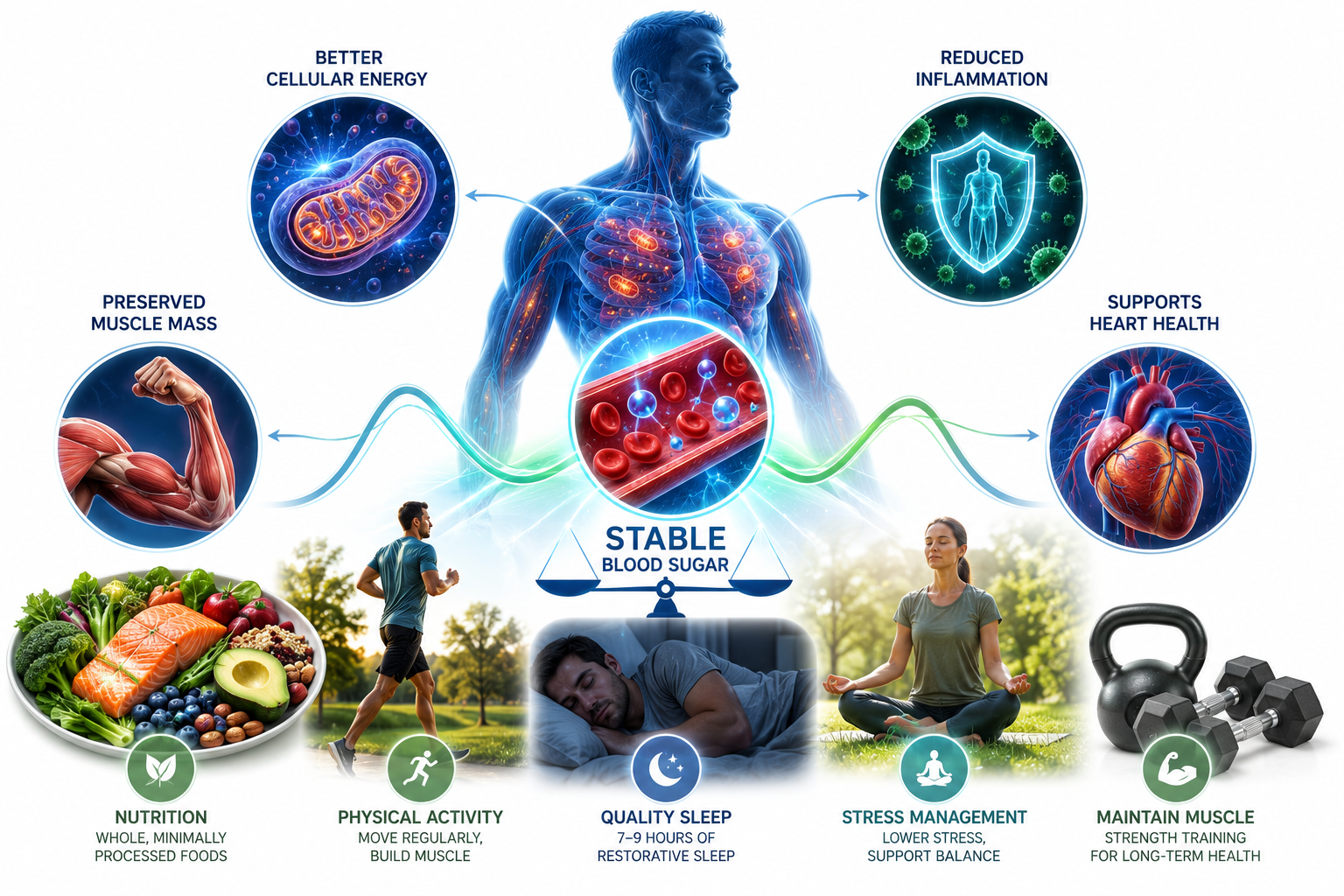
When people hear the term blood sugar, many immediately think of diabetes. But emerging research over the past decade has revealed that blood glucose regulation affects far more than whether someone develops diabetes. It influences your daily energy levels, mental clarity, physical performance, weight management, cardiovascular health, and even how quickly your body ages.
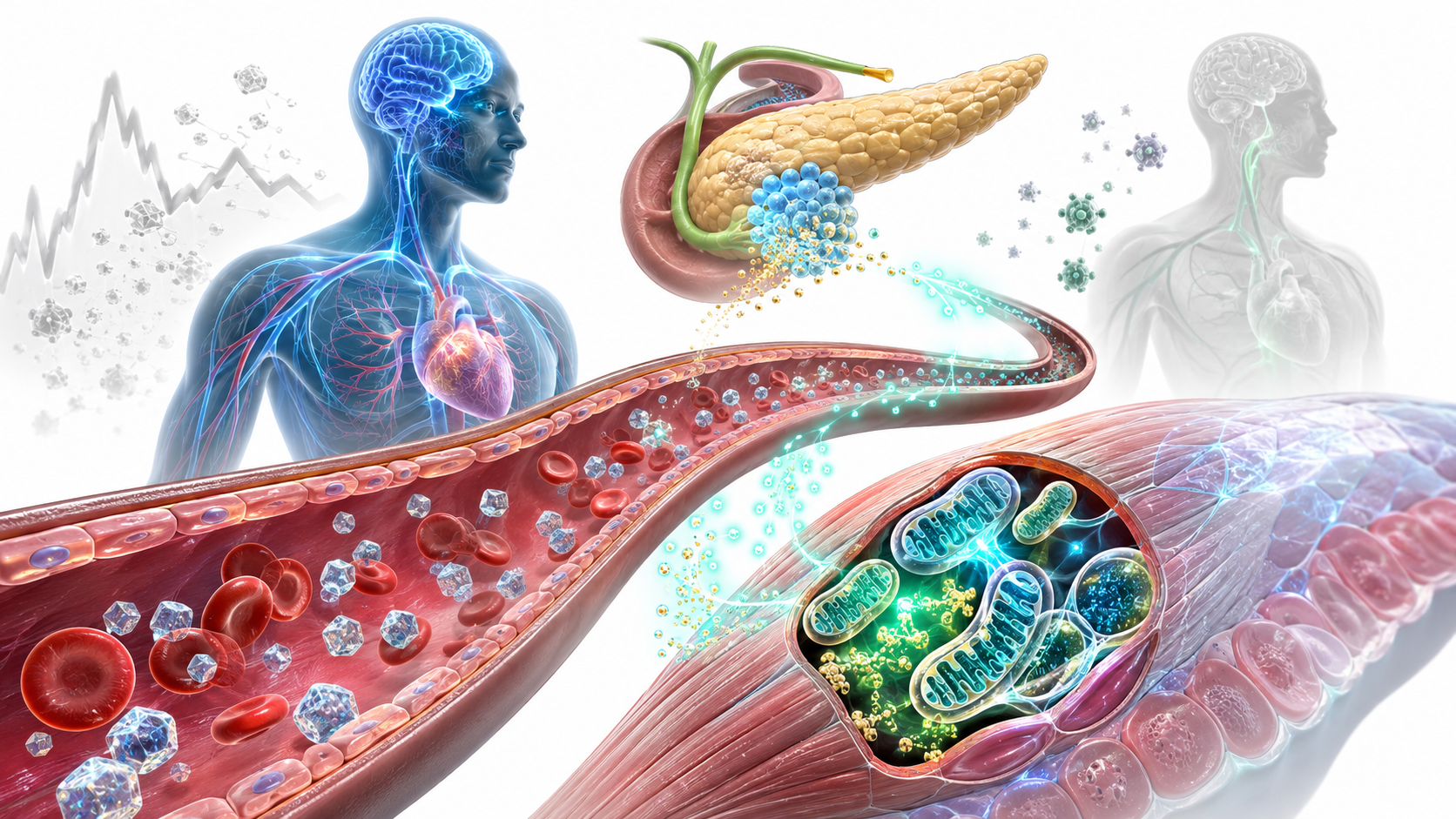
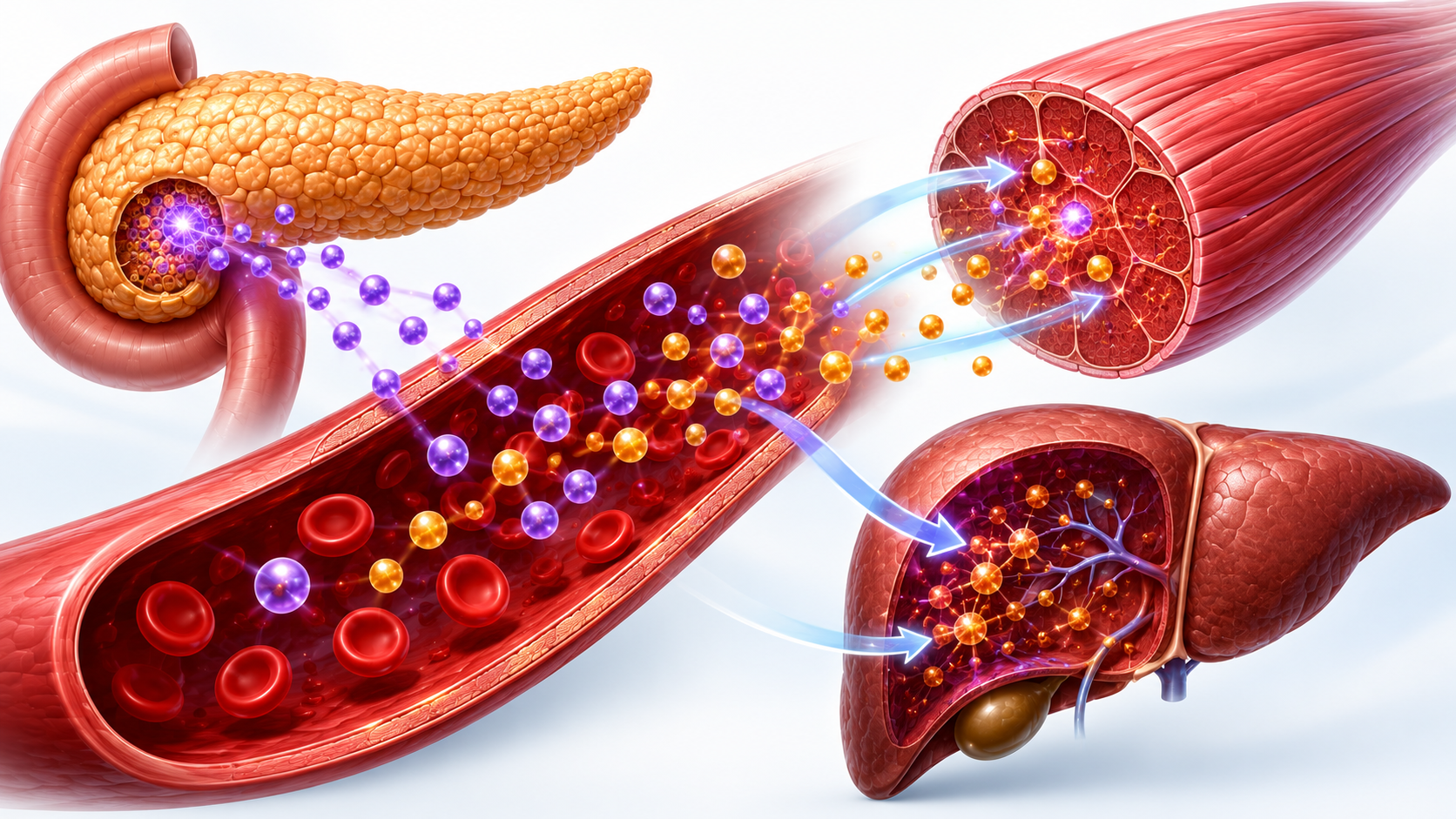
Every time you eat, your body performs an extraordinary balancing act. Carbohydrates are broken down into glucose, which enters your bloodstream and provides fuel for your cells. In response, your pancreas releases insulin, a hormone that helps move glucose into muscles, the liver, and other tissues where it can be used or stored. When this system works efficiently, energy production remains steady, inflammation stays under control, and your cells function as they should.
Problems begin when blood sugar frequently rises too high, stays elevated for too long, or fluctuates dramatically throughout the day. These repeated glucose spikes can gradually reduce insulin sensitivity, increase oxidative stress, damage blood vessels, and impair mitochondrial function—the tiny power plants inside your cells that generate energy. Over many years, these changes may contribute to conditions such as type 2 diabetes, cardiovascular disease, fatty liver disease, cognitive decline, and accelerated biological aging.
The encouraging news is that blood sugar is one of the most modifiable aspects of your health. Small lifestyle changes—such as eating more fibre, building muscle, improving sleep, and taking a short walk after meals—can have a significant impact on glucose regulation. You don’t need extreme diets or expensive supplements to see meaningful improvements.
In this comprehensive guide, we’ll explain how blood sugar works, why it matters even if you don’t have diabetes, and the science-backed habits that support better metabolic health and longevity.
Why Blood Sugar Matters Even If You Don’t Have Diabetes
One of the biggest misconceptions about blood sugar is that it only becomes important after a diagnosis of diabetes or prediabetes.
In reality, blood glucose exists on a spectrum. Even people with “normal” blood sugar can experience large post-meal spikes, frequent crashes, or gradual reductions in insulin sensitivity that may affect their health long before a disease is diagnosed.
Modern lifestyles make this increasingly common. Highly processed foods, prolonged sitting, chronic stress, poor sleep, and reduced physical activity all influence how efficiently your body manages glucose. These factors don’t just increase diabetes risk—they also affect energy production, inflammation, body composition, and cardiovascular health.
Researchers now recognise metabolic health as one of the strongest predictors of healthy ageing. Stable blood sugar supports healthier cells, more consistent energy, improved cognitive function, and greater resilience as we age.
Rather than viewing blood sugar as a medical issue alone, it’s more useful to think of it as a key indicator of how well your metabolism is functioning.
What Is Blood Sugar?
Blood sugar, also called blood glucose, refers to the amount of glucose circulating in your bloodstream at any given time.
Glucose is a simple sugar produced primarily from the carbohydrates you eat, although your body can also manufacture glucose from proteins and other compounds when necessary. It serves as one of the body’s most important energy sources, especially for organs such as the brain, which relies heavily on a continuous glucose supply.
After a meal, carbohydrates are broken down during digestion into glucose molecules that enter the bloodstream through the small intestine. This rise in blood glucose signals the pancreas to release insulin, allowing cells to absorb and use glucose for energy.
Any excess glucose is temporarily stored as glycogen in the liver and skeletal muscles. When blood sugar falls between meals or during exercise, these glycogen stores can be broken down to maintain a stable supply of energy.
This carefully coordinated system ensures that your body has access to fuel while preventing glucose levels from becoming dangerously high or low.
The Journey of Glucose Through Your Body
To understand blood sugar optimisation, it helps to follow what happens after you eat.
Step 1: Digestion
Carbohydrates from foods such as rice, potatoes, oats, fruit, bread, and pasta are broken down into glucose.
Simple carbohydrates are digested quickly, while complex carbohydrates containing fibre are absorbed more slowly.
Step 2: Glucose Enters the Bloodstream
As glucose is absorbed through the intestinal wall, blood sugar begins to rise.
This increase is completely normal and expected.
The size of the increase depends on several factors, including:
- Type of carbohydrate
- Amount consumed
- Fibre content
- Protein and fat eaten alongside carbohydrates
- Physical activity
- Individual insulin sensitivity
Step 3: Insulin Is Released
Specialised beta cells in the pancreas detect rising blood glucose and release insulin into the bloodstream.
Insulin acts like a biological messenger rather than a key that “opens” cells, as it’s often simplified. It signals tissues—particularly skeletal muscle, fat tissue, and the liver—to increase glucose uptake and storage.
Healthy insulin signalling allows glucose to move efficiently out of the bloodstream, helping maintain stable blood sugar after meals.
Step 4: Cells Produce Energy
Once inside the cell, glucose enters a series of metabolic pathways that ultimately generate ATP (adenosine triphosphate), the body’s primary energy currency.
ATP powers virtually every process in the body, including:
- Muscle contraction
- Brain activity
- Hormone production
- DNA repair
- Immune function
- Cellular maintenance
This energy production occurs largely inside the mitochondria, which is why glucose regulation and mitochondrial health are closely connected.
Step 5: Excess Glucose Is Stored
When immediate energy needs have been met, excess glucose is stored for future use.
The liver and muscles store glucose as glycogen, providing a readily available energy reserve during fasting, exercise, or periods of increased demand.
Once glycogen stores are full, prolonged excess energy intake may contribute to increased fat storage.
This is a normal physiological process, but consistently consuming more energy than the body needs over time can contribute to weight gain and metabolic dysfunction.
Why Stable Blood Sugar Is Better Than Perfect Blood Sugar
One of the biggest misconceptions online is that blood sugar should remain completely flat throughout the day.
That isn’t how human metabolism works.
Even healthy individuals experience natural rises and falls in blood glucose after eating, exercising, waking up, or experiencing stress. These fluctuations are part of normal physiology.
The goal isn’t to eliminate every glucose increase. Instead, the aim is to promote stable, well-regulated glucose patterns, where blood sugar rises appropriately after meals and returns to baseline without prolonged elevation or dramatic crashes.
Research suggests that greater glucose variability—large swings between high and low blood sugar—may place additional stress on the body over time, even in people without diabetes. Frequent fluctuations have been associated with increased oxidative stress, inflammation, and reduced metabolic efficiency.
Stable blood sugar doesn’t mean perfection. It means helping your body respond efficiently to everyday challenges through healthy lifestyle habits.
Blood Sugar and Longevity: The Cellular Connection
Why has blood sugar become such an important topic in longevity science?
The answer lies at the cellular level.
Every time glucose enters your cells, it is converted into energy through a series of highly regulated biochemical reactions. When glucose levels remain within a healthy range, this process is remarkably efficient.
However, when blood sugar is chronically elevated or repeatedly spikes to high levels, several biological processes may become disrupted.
Researchers have identified several mechanisms linking poor glucose regulation with ageing:
Increased Oxidative Stress
High glucose levels can increase the production of reactive oxygen species (ROS), unstable molecules that may damage DNA, proteins, and cell membranes when antioxidant defences are overwhelmed.
Oxidative stress is considered one of the major hallmarks of ageing and has been implicated in numerous chronic diseases.
Chronic Low-Grade Inflammation
Persistently elevated blood sugar may contribute to chronic, low-grade inflammation—sometimes referred to as “inflammaging.”
Unlike the short-term inflammation that helps heal injuries, chronic inflammation can gradually impair tissues and organs throughout the body.
Advanced Glycation End Products (AGEs)
Excess glucose can bind to proteins and fats through a process called glycation, forming compounds known as advanced glycation end products (AGEs).
AGEs accumulate naturally with age but may form more rapidly when blood sugar remains elevated. Research suggests they can affect the structure and function of tissues such as blood vessels, skin, eyes, and nerves.
Mitochondrial Stress
Your mitochondria convert glucose into usable cellular energy. Repeated exposure to excess glucose may increase metabolic stress within these organelles, potentially reducing their efficiency over time.
Because mitochondria play a central role in energy production, their health is increasingly recognised as a key component of healthy ageing.
Part 2: How Insulin Keeps Your Blood Sugar in Balance
If glucose is the body’s primary fuel, then insulin is the traffic controller that determines where that fuel goes.
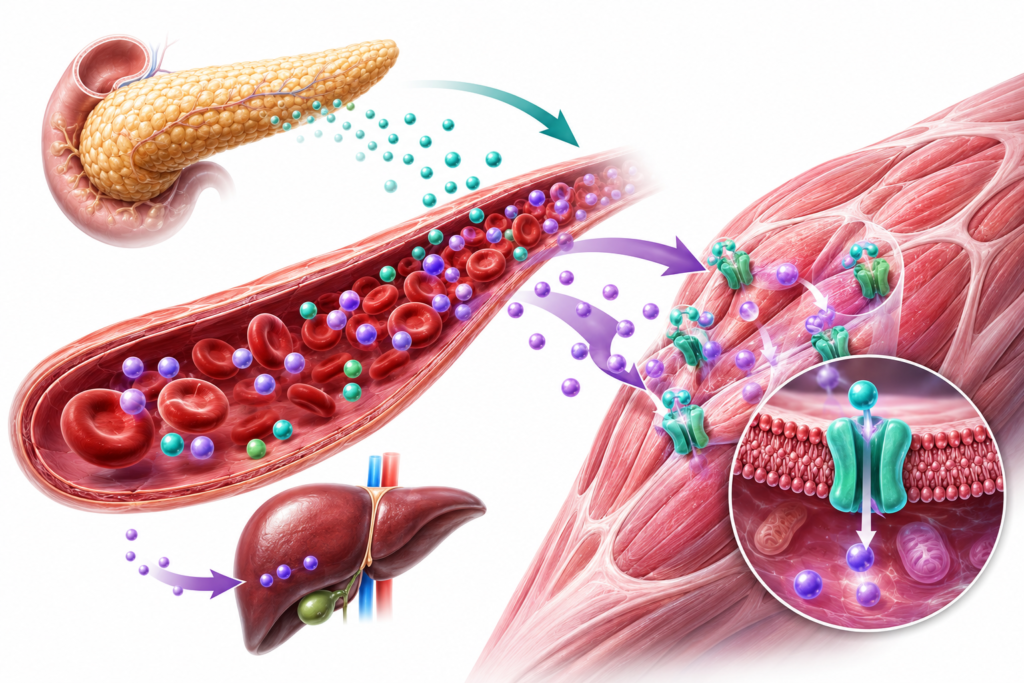
Insulin is a hormone produced by specialized beta cells in the pancreas. Every time your blood glucose begins to rise after eating, these cells detect the increase and release insulin into the bloodstream. The amount released depends on several factors, including the size of the meal, its carbohydrate content, and your current insulin sensitivity.
Contrary to the common analogy that insulin is a “key” that unlocks cells, scientists now describe insulin as a signaling hormone. It tells tissues throughout the body that nutrients are available and instructs them to absorb, use, or store glucose.
Skeletal Muscle: The Largest Glucose Sink
Skeletal muscle is responsible for clearing most of the glucose from your bloodstream after a meal. Healthy muscle tissue is highly responsive to insulin, allowing glucose to enter muscle cells where it can either be burned immediately for energy or stored as glycogen for later use.
This is one reason why resistance training and maintaining muscle mass are strongly associated with better metabolic health. The more healthy muscle you have, the greater your body’s capacity to dispose of glucose efficiently.
Related article: Why Muscle Is Your Metabolic Insurance (Coming Soon)
The Liver: Your Blood Sugar Buffer
The liver plays a central role in maintaining stable blood sugar throughout the day.
After meals, insulin signals the liver to absorb excess glucose and convert it into glycogen. Between meals, during fasting, or while exercising, the liver performs the opposite task by breaking down glycogen and releasing glucose back into the bloodstream.
This constant balancing act helps prevent blood sugar from dropping too low when you haven’t eaten for several hours.
Fat Tissue: Long-Term Energy Storage
When glycogen stores are sufficient and energy intake consistently exceeds the body’s needs, insulin also promotes the storage of excess energy in adipose (fat) tissue.
This is a normal and essential physiological process. Fat tissue serves as the body’s long-term energy reserve and performs important hormonal functions. Problems arise not because insulin stores energy, but when chronic overeating and reduced physical activity create a persistent surplus of calories over months or years.
Your Brain Depends on Stable Glucose
Although the brain accounts for only about 2% of body weight, it consumes roughly 20% of the body’s energy at rest.
Unlike muscles, which can switch between glucose and fatty acids depending on activity and nutritional status, much of the brain depends on a continuous supply of glucose. Large swings in blood sugar can therefore influence concentration, mood, reaction time, and mental performance.
Many people notice symptoms such as irritability, brain fog, or fatigue after a large glucose spike is followed by a rapid decline. While these experiences vary between individuals, they highlight the importance of maintaining stable glucose regulation throughout the day.
What Is Insulin Resistance?
Insulin resistance develops when the body’s cells become less responsive to insulin’s signals.
Imagine trying to have a conversation in a noisy room. At first, speaking at a normal volume is enough. As the background noise increases, you naturally speak louder so your message can still be heard.
The pancreas behaves in a similar way.
When tissues become less sensitive to insulin, the pancreas compensates by producing more of it. For a period of time, this extra insulin may keep blood glucose within a normal range, meaning routine blood sugar tests can still appear healthy even as underlying metabolic dysfunction is developing.
This stage is sometimes referred to as compensated insulin resistance, and it can persist for years without obvious symptoms.
Eventually, however, the pancreas may struggle to keep up with demand. Blood glucose begins to rise, increasing the risk of prediabetes and type 2 diabetes.
Why Does Insulin Resistance Develop?
There is rarely a single cause. Instead, insulin resistance usually develops through the interaction of multiple lifestyle and genetic factors over many years.
Excess Visceral Fat
Fat stored around internal organs is metabolically active. It releases inflammatory molecules and hormones that can interfere with normal insulin signaling, making glucose regulation less efficient.
Physical Inactivity
Muscle contractions stimulate glucose uptake even without large amounts of insulin. When we spend long periods sitting and engage in little physical activity, muscles become less effective at clearing glucose from the bloodstream.
Regular movement, even something as simple as walking after meals, can improve glucose handling.
Poor Sleep
Sleep is one of the most overlooked pillars of metabolic health.
Even a few nights of inadequate or fragmented sleep can reduce insulin sensitivity, increase appetite-regulating hormones, and elevate cortisol, creating conditions that make blood sugar harder to regulate.
Related article: Sleep and Blood Sugar: The Hidden Connection
Chronic Psychological Stress
Stress triggers the release of cortisol and adrenaline, hormones that prepare the body for action by increasing glucose availability.
This response is beneficial in short bursts. However, chronic stress may contribute to persistently higher glucose levels and reduced insulin sensitivity over time.
Highly Processed Diets
Frequent consumption of ultra-processed foods rich in refined carbohydrates, added sugars, and low in fibre can promote repeated large glucose spikes. Combined with excess calorie intake, this dietary pattern may gradually contribute to metabolic dysfunction.
Importantly, insulin resistance is not caused by a single food or nutrient. Overall dietary patterns, body composition, sleep, activity, and genetics all play important roles.
Genetics and Age
Some people are genetically more susceptible to insulin resistance than others.
Ageing is also associated with gradual changes in muscle mass, hormone levels, and physical activity patterns that can reduce insulin sensitivity. Fortunately, many age-related changes can be slowed through regular exercise, adequate protein intake, and other healthy lifestyle habits.
Early Warning Signs of Declining Metabolic Health
Insulin resistance often develops silently, but some people notice subtle changes long before blood tests become abnormal.
Possible early signs include:
- Feeling unusually tired after meals.
- Strong cravings for sugary foods in the afternoon.
- Difficulty maintaining a healthy body weight despite consistent effort.
- Increased waist circumference.
- Frequent hunger shortly after eating.
- Reduced energy during exercise.
- Brain fog or difficulty concentrating.
These symptoms are not specific to insulin resistance and can have many causes, but they may indicate that it’s worth discussing metabolic health with a healthcare professional.
Routine screening—such as fasting glucose, HbA1c, fasting insulin (where appropriate), and lipid profiles—can provide a more complete picture than symptoms alone.
Why Glucose Spikes Matter
Every time you eat carbohydrates, your blood glucose rises.
This is normal.
In fact, it would be unhealthy if it didn’t happen.
The goal of blood sugar optimisation is not to eliminate glucose spikes altogether but to avoid frequent, exaggerated, and prolonged spikes that keep blood glucose elevated for extended periods.
Think of it this way:
- A moderate rise after eating a balanced meal is part of healthy metabolism.
- A sharp spike followed by a rapid crash may leave you hungry again within a short time.
- Repeated large spikes day after day can increase the workload on the pancreas and contribute to oxidative stress and reduced insulin sensitivity over the long term.
Understanding this distinction helps avoid one of the biggest mistakes in online nutrition advice: treating every glucose increase as harmful.
What Happens During a Large Glucose Spike?
When a meal contains a large amount of rapidly digested carbohydrates with little fibre, protein, or fat, glucose can enter the bloodstream quickly.
In response, the pancreas releases a larger amount of insulin to bring blood sugar back toward normal.
Over time, frequent large spikes may contribute to several processes associated with poorer metabolic health:
Increased Oxidative Stress
Rapid changes in glucose availability can increase the production of reactive oxygen species (ROS). While ROS play normal roles in cell signaling, excessive production may damage proteins, DNA, and cell membranes when antioxidant defenses are overwhelmed.
Greater Inflammation
High glucose variability has been linked to increased inflammatory signaling in some studies. Chronic low-grade inflammation is associated with insulin resistance, cardiovascular disease, and many age-related conditions.
Higher Hunger and Food Cravings
A rapid rise followed by a rapid fall in blood glucose may stimulate hunger in some individuals, making it easier to consume more calories than needed.
This can create a cycle of repeated snacking, further glucose fluctuations, and weight gain.
Reduced Metabolic Flexibility
Healthy metabolism allows your body to switch efficiently between carbohydrates and fat as fuel.
When glucose regulation becomes impaired, this flexibility may decline, making it more difficult to maintain stable energy levels throughout the day.
Key Takeaway
One occasional dessert, celebration meal, or holiday feast is not what determines long-term metabolic health.
Your body is remarkably adaptable.
What matters most is the overall pattern of your daily habits over months and years. Consistently choosing balanced meals, staying physically active, prioritising sleep, and maintaining muscle mass has a far greater impact on blood sugar than striving for perfection after every meal.