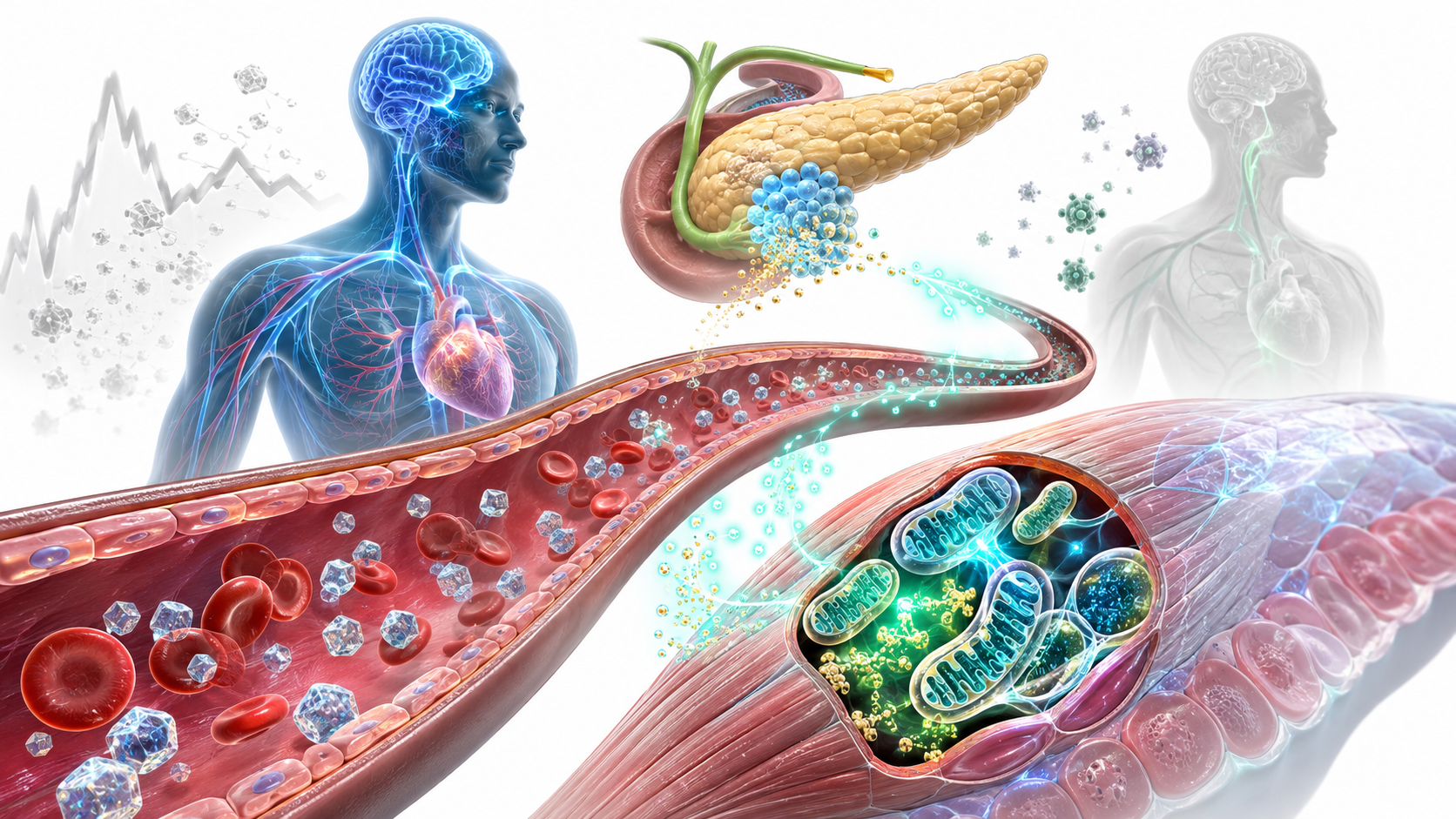
Every cell in your body depends on tiny structures called mitochondria to produce energy. Often referred to as the “powerhouses of the cell,” mitochondria convert nutrients—including glucose and fatty acids—into adenosine triphosphate (ATP), the molecule that powers nearly every biological process.
From muscle contraction and nerve signaling to hormone production and cellular repair, almost everything your body does relies on a continuous supply of ATP.
When blood sugar is well regulated, mitochondria receive a steady supply of fuel and can produce energy efficiently. But when glucose levels fluctuate dramatically throughout the day, these cellular power plants must constantly adapt to changing energy availability. Over time, repeated exposure to large glucose spikes may increase metabolic stress within mitochondria.
One mechanism researchers are investigating is the increased production of reactive oxygen species (ROS) during periods of excess glucose availability. ROS are naturally generated as part of normal metabolism and play important roles in cell signaling. However, when produced in excessive amounts, they can overwhelm the body’s antioxidant defenses and contribute to oxidative stress.
Oxidative stress has been linked to damage affecting proteins, DNA, lipids, and mitochondrial membranes. While the body has sophisticated repair systems, repeated stress over many years may reduce mitochondrial efficiency and contribute to age-related declines in cellular function.
Maintaining relatively stable blood sugar helps create a more predictable metabolic environment. Rather than repeatedly shifting between excess fuel and energy shortages, cells can produce ATP more efficiently while minimizing unnecessary oxidative stress.
This is one reason blood sugar stability has become an important topic in longevity research. Healthy mitochondria don’t simply produce energy—they also influence inflammation, immune function, cellular repair, and resilience during aging.
Related reading: The Cellular Energy Network: How Mitochondria, NAD+, and AMPK Work Together
Stable Blood Sugar Helps Reduce Chronic Inflammation
Inflammation is often misunderstood.
Many people think of inflammation as something inherently harmful, but in reality it is an essential part of the body’s defense system. Acute inflammation helps fight infection, repair damaged tissue, and support healing after injury.
Problems arise when inflammation never fully switches off.
Scientists sometimes refer to this persistent, low-grade immune activation as chronic inflammation or inflammaging because it becomes more common with advancing age and is associated with many chronic diseases.
Blood sugar regulation is one factor that may influence this process.
Repeated, exaggerated glucose spikes have been associated with increased inflammatory signaling in both laboratory and clinical studies. While a single high-carbohydrate meal is unlikely to have lasting effects in healthy individuals, consistently poor metabolic health may contribute to a more pro-inflammatory environment over time.
Several mechanisms have been proposed.
Large glucose fluctuations may increase oxidative stress, activate inflammatory pathways, and impair the function of endothelial cells that line blood vessels. Together, these changes may contribute to the gradual development of cardiovascular disease and other metabolic conditions.
It is important to remember that inflammation is influenced by many lifestyle factors, not blood sugar alone. Smoking, obesity, chronic stress, inadequate sleep, physical inactivity, and poor dietary quality all play significant roles.
The goal is not to eliminate inflammation altogether—it is to support the body’s ability to maintain a healthy balance between necessary immune responses and chronic activation.
Advanced Glycation End Products (AGEs): The Hidden Consequence of High Blood Sugar
One of the lesser-known reasons stable blood sugar matters is its relationship with advanced glycation end products, commonly known as AGEs.
AGEs form when glucose molecules bind to proteins or fats through a non-enzymatic process called glycation. This reaction occurs naturally throughout life and is part of normal aging. However, higher glucose exposure may accelerate the formation of these compounds.
Over time, AGEs can accumulate in tissues throughout the body, including the skin, blood vessels, eyes, kidneys, and nervous system.
Researchers believe excessive AGE accumulation may contribute to several age-related changes, including:
- Reduced elasticity of blood vessels.
- Stiffer connective tissue and skin.
- Increased oxidative stress.
- Activation of inflammatory pathways.
- Impaired cellular repair.
This doesn’t mean eating a piece of fruit or enjoying dessert occasionally will suddenly increase biological aging. AGE formation is influenced by long-term metabolic health, overall dietary patterns, and lifestyle habits rather than individual meals.
Stable blood sugar may help reduce unnecessary glucose exposure over time, potentially slowing one of the many biological processes associated with aging.
Blood Sugar and Metabolic Flexibility
One of the defining characteristics of a healthy metabolism is metabolic flexibility.
This refers to your body’s ability to switch efficiently between different fuel sources depending on what is available.
After eating, your body primarily uses glucose for energy.
During periods between meals, overnight fasting, or prolonged exercise, it gradually shifts toward using stored fat.
Healthy mitochondria make this transition remarkably efficient.
However, poor metabolic health may reduce this flexibility. Instead of smoothly adapting to changing energy demands, the body may become increasingly dependent on a constant supply of carbohydrates while becoming less efficient at using stored fat.
Reduced metabolic flexibility has been associated with insulin resistance, obesity, and impaired mitochondrial function.
Although many factors influence metabolic flexibility—including genetics, physical activity, body composition, and sleep—maintaining stable blood sugar appears to support healthier energy regulation.
This is one reason exercise plays such an important role.
Both resistance training and aerobic exercise improve the body’s ability to use glucose efficiently after meals while enhancing its capacity to burn fat during periods of lower energy availability.
Related reading: Zone 2 Cardio vs HIIT: Which One Improves Metabolic Flexibility?
Stable Blood Sugar Supports Better Brain Function
The brain consumes approximately 20% of the body’s resting energy despite representing only a small proportion of total body weight.
Unlike many other tissues, it depends on a reliable supply of energy throughout the day.
Large fluctuations in blood sugar may temporarily affect concentration, attention, mood, and mental performance in some individuals. Many people are familiar with the mid-afternoon “energy crash” that can occur after consuming meals high in rapidly absorbed carbohydrates.
Although individual responses vary, stable glucose regulation may help provide a more consistent supply of fuel to the brain.
Researchers are also investigating the relationship between insulin resistance and neurodegenerative diseases. Some studies suggest impaired glucose metabolism within the brain may contribute to cognitive decline, although the exact mechanisms remain under investigation.
Maintaining good metabolic health should therefore be viewed as one component of a broader strategy to support healthy brain aging alongside physical activity, quality sleep, social engagement, and lifelong learning.
Stable Blood Sugar Supports Cardiovascular Health
Healthy blood vessels are essential for delivering oxygen and nutrients throughout the body.
The inner lining of these vessels, known as the endothelium, helps regulate blood flow, blood pressure, and communication between the bloodstream and surrounding tissues.
Persistently elevated blood glucose and poor metabolic health may impair endothelial function over time. This can reduce the flexibility of blood vessels and contribute to the development of atherosclerosis, particularly when combined with other risk factors such as smoking, hypertension, elevated LDL cholesterol, and physical inactivity.
Stable blood sugar supports cardiovascular health by reducing unnecessary metabolic stress on blood vessels and helping maintain healthier insulin sensitivity.
Again, this should not be viewed in isolation.
Heart health depends on the combined influence of nutrition, exercise, sleep, stress management, body composition, blood pressure, cholesterol, and genetics.
Optimizing blood sugar is one important piece of a much larger picture.
Longevity Is Built on Daily Stability
One of the biggest misconceptions in nutrition is that longevity depends on finding a single “superfood” or miracle supplement.
The reality is much less exciting—but far more powerful.
Healthy aging is largely the result of thousands of small physiological decisions your body makes every day.
Every balanced meal.
Every walk after dinner.
Every good night’s sleep.
Every resistance-training session.
Every moment you reduce unnecessary stress.
These habits work together to support healthier blood sugar regulation, reduce metabolic stress, and create an internal environment where your cells can function efficiently for decades.
Stable blood sugar isn’t about perfection.
It isn’t about fearing carbohydrates or obsessing over every glucose reading.
It’s about giving your body the consistency it needs to produce energy, recover effectively, and adapt to the challenges of everyday life.
7 Science-Backed Ways to Maintain Stable Blood Sugar
Understanding why blood sugar matters is only half the equation. The real benefits come from applying simple habits consistently. Research shows that improving blood sugar regulation doesn’t require extreme diets or expensive supplements. Instead, it’s the accumulation of everyday choices that supports better metabolic health over time.
1. Prioritize Protein at Every Meal
Protein slows gastric emptying and helps moderate the rate at which glucose enters the bloodstream after eating. It also supports muscle maintenance, which improves the body’s ability to absorb and use glucose efficiently.
Aim to include a quality protein source such as fish, eggs, poultry, tofu, Greek yogurt, or legumes with most meals.
Related article: How Protein Helps Reduce Glucose Spikes
2. Increase Your Fibre Intake
Dietary fibre slows carbohydrate digestion and helps reduce rapid post-meal increases in blood sugar. It also supports a healthy gut microbiome, which is increasingly recognised as an important contributor to metabolic health.
Excellent sources include:
- Vegetables
- Lentils and beans
- Oats
- Chia seeds
- Berries
- Apples
- Whole grains
Rather than focusing on avoiding carbohydrates, choose carbohydrate sources that naturally contain fibre.
Related article: Fiber: The Forgotten Blood Sugar Superpower
3. Move After Eating
One of the simplest strategies for improving glucose regulation is also one of the most effective.
A short walk after meals encourages working muscles to absorb circulating glucose, reducing the size and duration of post-meal blood sugar rises. Even 10–15 minutes of light walking can make a meaningful difference for many people.
This habit is practical, accessible, and easy to incorporate into daily life.
Related article: Walking After Meals: The Simplest Blood Sugar Hack
4. Build and Maintain Muscle
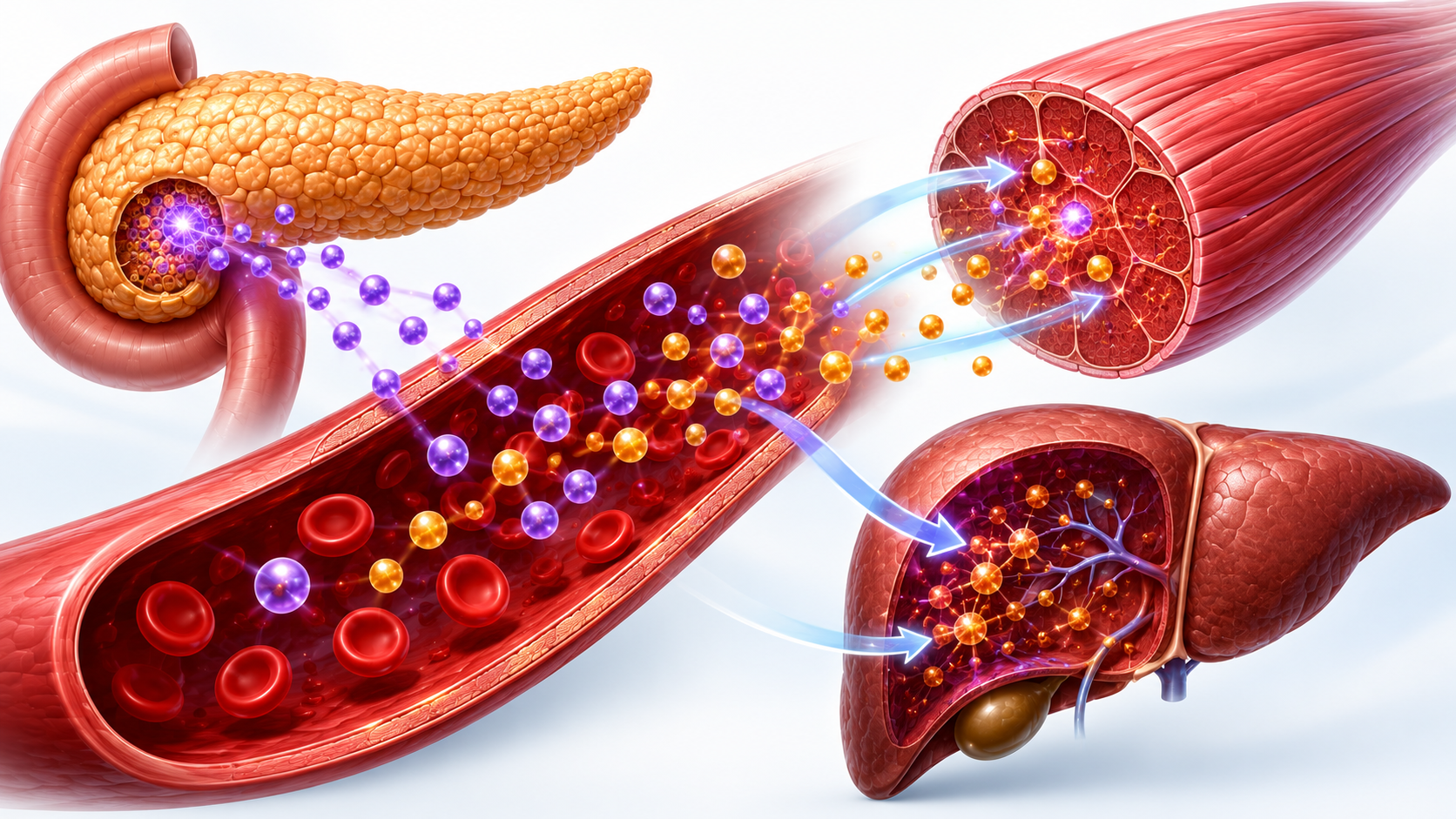
Skeletal muscle is the body’s largest site for glucose disposal.
The more metabolically active muscle you have, the greater your capacity to store glycogen and use glucose efficiently. Resistance training also improves insulin sensitivity, making it easier for cells to respond appropriately after meals.
Current guidelines recommend strength training involving all major muscle groups at least twice each week.
Related article: Why Muscle Is Your Metabolic Insurance
5. Prioritize Sleep
Sleep deprivation affects far more than energy levels.
Even short periods of poor sleep can reduce insulin sensitivity, increase hunger, and disrupt hormones involved in appetite regulation. Over time, consistently inadequate sleep may make maintaining healthy blood sugar more difficult.
Adults should aim for 7–9 hours of quality sleep each night while maintaining a regular sleep schedule whenever possible.
Related article: Sleep and Blood Sugar: The Hidden Connection
6. Manage Chronic Stress
Psychological stress triggers the release of cortisol and adrenaline, hormones that increase glucose availability to prepare the body for action.
This response is useful during genuine emergencies, but chronic stress can contribute to persistently elevated blood sugar and reduced insulin sensitivity.
Helpful stress-management strategies include:
- Regular exercise
- Meditation or mindfulness
- Deep breathing exercises
- Spending time outdoors
- Maintaining strong social connections
Supporting mental well-being is an important part of supporting metabolic health.
7. Focus on Consistency, Not Perfection
Perhaps the most important lesson from longevity research is that consistency matters more than perfection.
One high-carbohydrate meal, birthday celebration, or holiday dinner will not determine your long-term health. Your body is remarkably adaptable and designed to handle occasional fluctuations.
What has the greatest impact is the pattern you repeat over months and years.
A balanced dietary pattern, regular physical activity, quality sleep, and maintaining a healthy body composition consistently outperform restrictive short-term approaches.
Frequently Asked Questions
Is stable blood sugar important if I don’t have diabetes?
Yes. Stable blood sugar supports efficient energy production, metabolic health, and cardiovascular function. While people with diabetes require closer glucose management, healthy glucose regulation benefits everyone.
Are blood sugar spikes always harmful?
No. Blood sugar naturally rises after eating, especially after meals containing carbohydrates. The concern is not normal post-meal increases but frequent, large, and prolonged spikes that occur repeatedly over time.
Can exercise improve blood sugar?
Yes. Both aerobic exercise and resistance training improve insulin sensitivity and help muscles use glucose more effectively. Even a short walk after meals may help reduce post-meal glucose levels.
Should healthy people use a continuous glucose monitor?
Continuous glucose monitors can provide useful insights into individual glucose responses, but they are not essential for most healthy adults. Lifestyle habits such as nutrition, exercise, sleep, and stress management remain the foundation of healthy blood sugar regulation.
Key Takeaways
- Stable blood sugar supports efficient energy production and healthier mitochondrial function.
- Frequent glucose spikes may contribute to oxidative stress, inflammation, and reduced metabolic flexibility over time.
- Blood sugar influences far more than diabetes risk—it also affects cardiovascular health, brain function, muscle health, and healthy aging.
- Sustainable habits such as eating enough protein and fibre, exercising regularly, sleeping well, and managing stress are among the most effective ways to support long-term metabolic health.
- Longevity is built through consistent daily choices rather than perfect glucose readings.
Conclusion
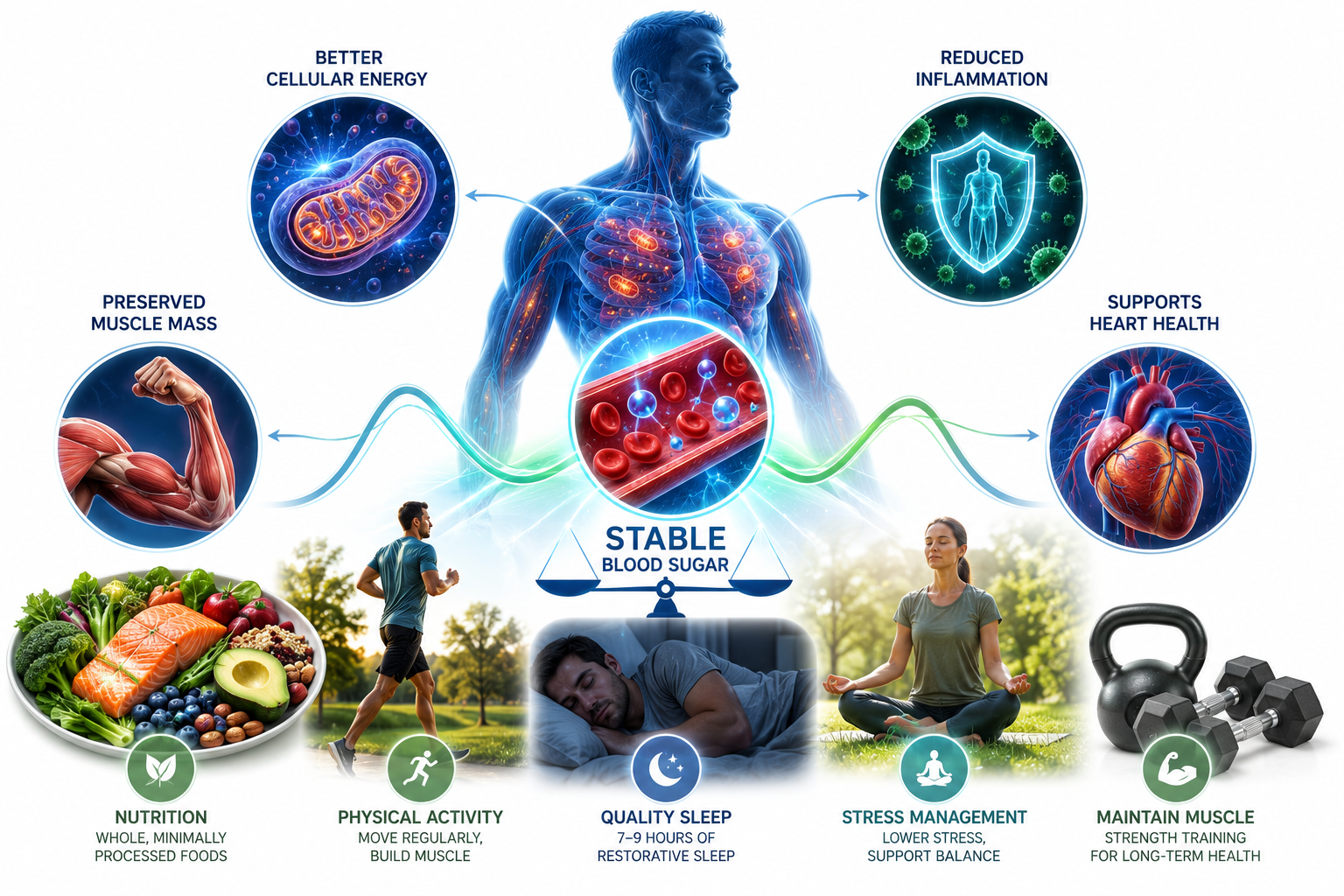
Stable blood sugar is about more than avoiding diabetes—it’s about creating the conditions that allow every cell in your body to function at its best. From supporting mitochondrial energy production to helping regulate inflammation, preserving muscle, and protecting cardiovascular health, glucose stability influences many of the biological systems associated with healthy aging.
The encouraging news is that improving blood sugar regulation doesn’t require extreme measures. A diet built around minimally processed foods, regular physical activity, quality sleep, stress management, and maintaining muscle mass remains the most evidence-supported approach to long-term metabolic health.
Rather than striving for perfection, focus on building habits you can maintain for years. Those consistent daily choices have a far greater impact on longevity than any single meal, supplement, or health trend.