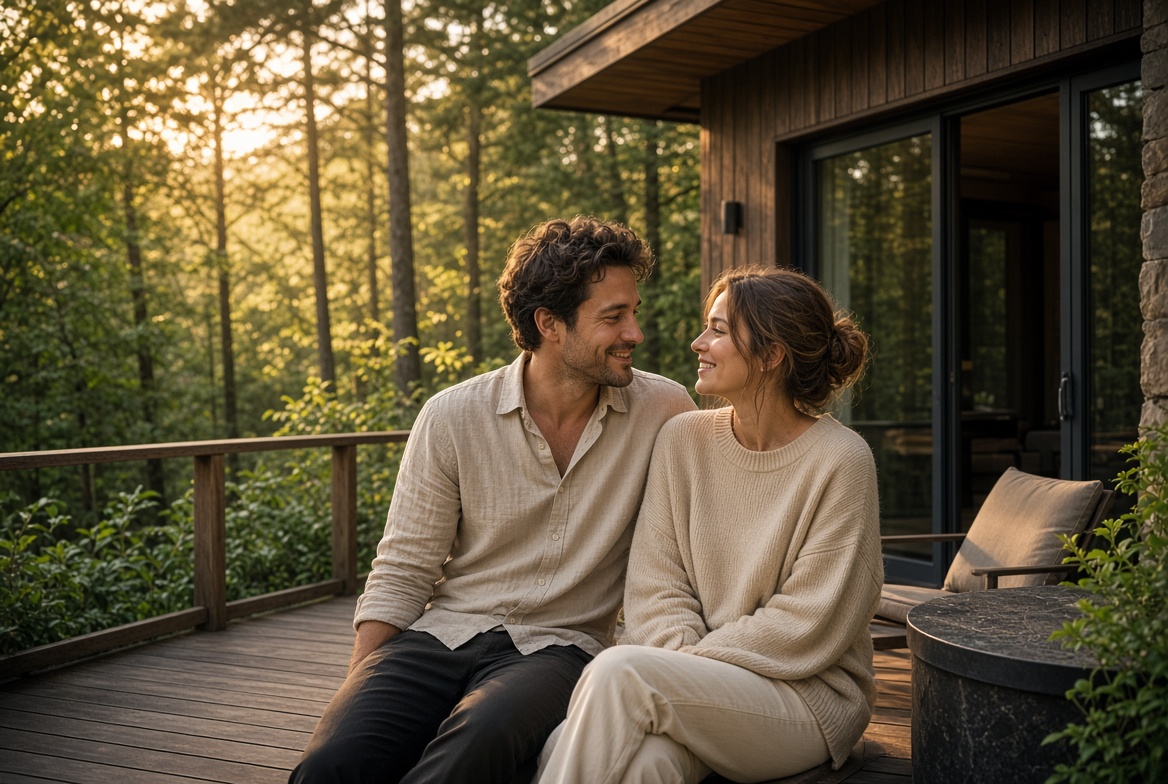
Breaking away from familiar routines can bring a renewed sense of excitement to a relationship. For some couples, the appeal comes from visiting an unexpected setting, sharing a private adventure or enjoying a romantic moment that feels slightly daring.
These feelings are often driven by novelty, anticipation and the sense of sharing something special together. However, spontaneity should still be balanced with privacy, mutual comfort and respect for the people nearby.
A place may appear quiet or secluded without being genuinely private. Other people could enter unexpectedly, security cameras may be present and local rules may restrict intimate behaviour in shared spaces. The encouraging news is that couples can usually recreate the desired atmosphere in a private and appropriate setting.
The objective is not necessarily to take greater risks. It is to understand what makes the idea appealing and find a considerate way to enjoy the same sense of adventure.
Why Spontaneity Can Feel Exciting
A Welcome Change From Routine
Familiarity can be comforting, but repeating the same patterns may occasionally make a relationship feel predictable. A change of scenery, an unplanned date or a short getaway can encourage couples to become more present with each other.
Even small changes—such as choosing a different room, adjusting the lighting or planning an unexpected evening—can make an experience feel fresh.
A Shared Sense of Adventure
Trying something new together can strengthen emotional connection. The anticipation, planning and shared memories may be just as meaningful as the experience itself.
The strongest sense of adventure often comes from doing something different together, rather than doing something genuinely unsafe.
Novelty Heightens Attention
An unfamiliar environment can make people more conscious of their surroundings and each other. New sounds, scenery and sensations may temporarily increase excitement and emotional engagement.
Novelty does not need to involve an openly shared or publicly visible location. A private retreat can provide the same change of atmosphere without compromising anyone’s privacy.
An Opportunity for Honest Conversation
Discussing adventurous ideas can help couples understand each other’s preferences, boundaries and comfort levels. One partner may be attracted to the spontaneity, while the other may prefer the atmosphere of an outdoor setting.
Identifying the underlying preference makes it easier to find an option both people can enjoy.
Fantasy Does Not Create an Obligation
People sometimes enjoy imagining situations they would not want to experience in reality. An imagined scenario conveniently excludes interruptions, discomfort, legal concerns and the possibility of being observed.
Sharing an idea should therefore be treated as the beginning of a conversation—not as an agreement to act on it.
Partners can gently ask:
- What part of the idea feels most appealing?
- Is it the unfamiliar setting or the spontaneity?
- Would a private getaway create a similar feeling?
- What would make both people feel comfortable?
- Are there any firm boundaries?
Either person can decide that an idea should remain imaginary. A respectful response helps preserve trust and makes future conversations easier.
Privacy Matters
Mutual agreement between partners is essential, but it is not the only consideration. People nearby have not agreed to encounter someone else’s private behaviour.
A quiet beach, parked vehicle, building corridor or secluded-looking outdoor area may still be accessible or visible to others. Families, staff, residents or passers-by could appear without warning. Cameras may also be operating in entrances, car parks and shared facilities.
Choosing genuine privacy protects everyone involved. It also reduces anxiety, allowing couples to focus on each other rather than worrying about interruption.
Important Risks to Consider
Local Rules
Rules governing personal conduct vary between countries and regions. Behaviour in publicly accessible or visible places may result in complaints or legal consequences.
A location does not automatically become private because it is quiet. In USA, conduct in shared places may fall under laws concerning public decency, depending on the circumstances. Readers should check current local rules if they are uncertain.
Unwanted Photographs or Recordings
Many shared areas are monitored by security cameras. Other people may also use their phones to photograph or record an incident.
Once an image has been copied or uploaded, controlling its distribution may become extremely difficult. Protecting privacy beforehand is far easier than attempting to recover it later.
Personal Safety
Isolated locations can increase vulnerability to theft, harassment, accidents or difficulty obtaining help. Darkness, traffic, unstable surfaces, insects and changing weather can create additional concerns.
A setting that appears adventurous may feel considerably less enjoyable when comfort and safety have not been considered.
Health Considerations
Spontaneity should not mean overlooking contraception, protection against sexually transmitted infections or personal hygiene. Couples should prepare beforehand rather than relying on decisions made in the moment.
Condoms, appropriate lubricant and regular STI testing may be relevant depending on the relationship and activities involved. ActivHomme’s guide to safer sex provides more detailed guidance.
Alcohol and Decision-Making
Alcohol can reduce awareness of surroundings and make risks seem less important. It may also interfere with communication and the ability to make a clear, voluntary decision.
If either person is impaired, uncertain or uncomfortable, the experience should be postponed.
Private Ways to Create a Sense of Adventure
Couples can preserve spontaneity without choosing a publicly accessible location.
Arrange a Private Getaway
A private villa, secluded cabin or holiday property with an enclosed garden can create a refreshing change of environment. Confirm that the space is genuinely private and used in accordance with the property’s rules.
A balcony or terrace should not be assumed to be private if it is visible from neighbouring buildings or roads.
Plan an Unexpected Staycation
A spontaneous hotel stay can offer novelty while maintaining comfort and privacy. Choosing a distinctive room, dressing for an evening out or arranging a surprise itinerary can make the occasion feel more adventurous.
Shared hotel areas—including corridors, lifts, pools and balconies—should still be treated as communal spaces.
Create a Different Atmosphere at Home
Lighting, music, new bedding or a private indoor picnic can transform a familiar space. Nature sounds and warm lighting can recreate the atmosphere of an outdoor retreat without exposing anyone to unpredictable surroundings.
Introduce Gentle Role-Play
A private scenario involving a secret meeting, an unexpected date or a limited amount of time can recreate anticipation. Both partners should agree on the idea, boundaries and a clear way to pause or stop.
Explore Romance Outside the Usual Routine
Adventure does not have to centre entirely on physical intimacy. An unplanned road trip, late dinner, sunrise picnic or surprise weekend away can produce the same feelings of freedom and shared excitement.
Planning With Comfort in Mind
Before trying something unfamiliar, discuss:
- What each person genuinely wants
- Activities that remain off-limits
- Privacy and visibility
- Contraception and protection
- Whether photographs are permitted
- How either person can pause or stop
- What to do if circumstances change
Agreement to an intimate experience does not automatically include permission to take photographs. Recording or sharing private material always requires separate, explicit consent.
When One Partner Is Uncomfortable
A person may dislike an adventurous idea because of privacy concerns, anxiety, personal values or previous experiences. They do not need to provide an elaborate explanation for saying no.
Repeated persuasion can turn an intimate conversation into pressure. Instead, couples can identify an alternative that respects both preferences. For example, someone seeking novelty and someone prioritising privacy may both enjoy a secluded holiday property.
A good compromise should feel genuinely comfortable to both people—not merely tolerable to one of them.
The Bottom Line
Spontaneous intimacy can feel exciting because it introduces novelty, anticipation and a shared sense of adventure. Discussing these ideas may also help couples communicate more openly about their preferences.
However, a seemingly secluded location is not always private. Visibility, unexpected visitors, security cameras, personal safety and local rules should all be considered.
The most satisfying approach is often to recreate the desired atmosphere in a genuinely private setting. A secluded retreat, spontaneous staycation, transformed home environment or mutually agreed role-play can offer excitement without involving unnecessary risk.
Adventure does not depend on being observed or breaking rules. Privacy, preparation and mutual enthusiasm can make the experience more relaxed, respectful and enjoyable.