A urinary tract infection, commonly called a UTI, can cause burning during urination, frequent bathroom visits and uncomfortable pressure in the lower abdomen. Some infections remain in the bladder, while others can spread to the kidneys and become more serious.
Not every UTI can be prevented. Anatomy, menopause, pregnancy, urinary retention, kidney stones, diabetes and catheter use can all affect someone’s risk. However, sensible hydration, healthy bathroom habits and appropriate medical care may reduce the likelihood of some infections recurring.
It is equally important to recognise what prevention cannot do. Cranberry juice, supplements and washing routines cannot reliably treat an infection that has already developed. Anyone with symptoms—especially fever, back pain or blood in the urine—may need professional assessment.
What Is a Urinary Tract Infection?
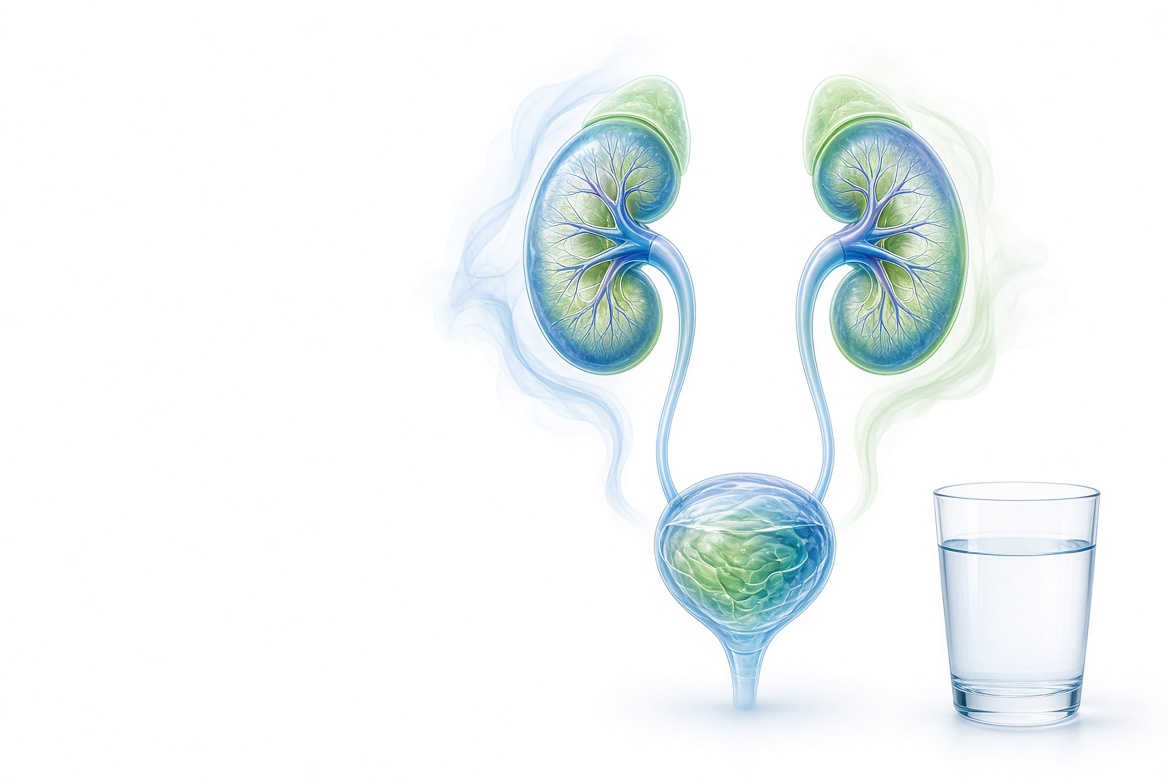
The urinary tract consists of:
- Two kidneys, which filter the blood and produce urine
- Two ureters, which transport urine to the bladder
- The bladder, which stores urine
- The urethra, through which urine leaves the body
A UTI develops when microorganisms—usually bacteria—enter and multiply within part of this system. According to the CDC’s UTI overview, bacteria often enter through the urethra from the surrounding skin or rectal area.
Common types include:
- Urethritis: Infection or inflammation affecting the urethra
- Cystitis: Infection of the bladder
- Pyelonephritis: Infection involving one or both kidneys
Kidney infections require prompt treatment because they can lead to serious complications.
Why Are UTIs More Common in Women?
People with female urinary anatomy generally have a shorter urethra. This gives bacteria a shorter distance to travel before reaching the bladder.
The urethral opening is also relatively close to the anus, where bacteria commonly associated with UTIs naturally live.
Additional risk factors can include:
- Previous UTIs
- Sexual activity
- Pregnancy
- Menopause
- Spermicidal contraceptives
- Difficulty emptying the bladder
- Kidney stones
- Urinary catheters
- Poorly controlled diabetes
- A weakened immune system
- Structural urinary-tract differences
Having a UTI does not mean someone is dirty or has poor personal hygiene. Excessive washing may actually irritate sensitive tissue without addressing the underlying cause.
Common UTI Symptoms
Symptoms of a bladder or lower urinary-tract infection may include:
- Burning or pain during urination
- Needing to urinate more frequently
- A sudden or intense need to urinate
- Passing only a small amount
- Pressure or pain in the lower abdomen
- Cloudy urine
- Blood in the urine
- Feeling generally unwell
Strong-smelling or dark urine alone does not necessarily mean someone has a UTI. It may result from dehydration, food, medication or vitamins.
Fever, chills and pain in the back or side beneath the ribs may indicate that an infection has reached the kidneys. NIDDK describes fever, back or side pain and painful urination as possible kidney-infection symptoms.
1. Drink Enough Water
Regular fluid intake supports urine production and may help bacteria leave the urinary tract during urination.
Water is generally the best option. There is no single amount that is appropriate for everyone because fluid needs depend on body size, climate, physical activity, pregnancy and health conditions.
A practical goal for many healthy adults is to drink enough that they urinate regularly and do not feel persistently thirsty. Urine is often pale yellow when hydration is adequate, although medicines and supplements can affect its colour.
Some people need medical limits on fluid intake, including those with certain heart or kidney conditions. Follow personalised professional advice rather than forcing large quantities of water.
Drinking water may support recovery and ease symptoms, but it does not replace antibiotics when a bacterial infection requires treatment.
2. Do Not Regularly Hold Urine for Long Periods
Use the bathroom when you feel a genuine need to urinate. Repeatedly delaying urination for prolonged periods may make it more difficult to empty the bladder completely.
When urinating:
- Take enough time
- Relax rather than straining
- Allow the bladder to empty
- Avoid repeatedly stopping the urine stream
- Seek medical advice if emptying feels incomplete
Urinary retention may result from an enlarged prostate, constipation, medication, nerve problems or another health condition. Treating the cause may be more important than changing hygiene habits.
3. Wipe From Front to Back
After using the toilet, wiping from front to back may reduce the transfer of bacteria from the anal area toward the urethra.
Use gentle toilet tissue and avoid harsh rubbing. Frequent scrubbing can irritate the surrounding skin.
This recommendation is relevant to people with female urinary anatomy because of the proximity of the urethral and anal openings.
4. Keep Genital Washing Gentle
The external genital area can be washed gently with water or a mild, unperfumed cleanser. Internal vaginal cleaning is unnecessary.
Avoid:
- Vaginal douching
- Scented intimate washes
- Deodorant sprays
- Strong antiseptics
- Heavily fragranced bubble baths
- Aggressive scrubbing
- Putting soap inside the vagina
- Products that cause burning or dryness
The vagina has its own natural environment and does not need internal washing. Douching may disturb that environment and cause irritation.
Bathing itself has not been established as something everyone must avoid. If a person notices irritation after bubble baths or fragranced products, a plain shower or an unscented bath may be more comfortable.
5. Urinate After Sexual Activity
Sexual activity can move bacteria around the genital and urethral areas. Urinating after sex may help flush away some bacteria that have approached or entered the urethra.
Try to urinate when reasonably convenient, but do not panic if you cannot do so immediately. Evidence for the exact protective effect is limited, and post-sex urination cannot guarantee that a UTI will be prevented.
It is a low-risk habit, but it should not replace medical prevention strategies for someone with recurrent infections.
Urination after sex does not:
- Prevent pregnancy
- Remove an STI exposure
- Make unprotected sex safe
- Treat an existing UTI
6. Use Lubrication When Friction Is a Problem
Friction during sexual activity may irritate tissue around the urethral opening. Adequate arousal and a suitable personal lubricant can improve comfort.
When using latex condoms, choose a compatible water- or silicone-based lubricant. Avoid oil-based products because they can weaken latex.
Stop if a lubricant causes burning, itching or swelling. Products with strong fragrances, warming agents or flavours may irritate some people.
ActivHomme’s guide to safer sex provides more information about condoms and lubricant compatibility.
7. Consider Whether Spermicide Is Contributing
Spermicides can increase UTI risk for some people, particularly when infections repeatedly follow sexual activity. These products may be used with certain condoms, diaphragms or cervical caps.
Do not abandon contraception without arranging an alternative. Ask a healthcare professional whether a non-spermicidal condom or another contraceptive method would be appropriate.
The method should still reflect pregnancy-prevention needs, STI risk, health history and personal preference.
8. Avoid Moving Bacteria Between Body Areas
When changing from anal contact to vaginal or urethral-area contact:
- Wash hands appropriately
- Clean toys according to their instructions
- Replace the condom
- Use a new barrier
- Avoid moving an unclean toy directly between areas
A condom used for anal sex should never be used for subsequent vaginal sex.
These measures also reduce exposure to some sexually transmitted and intestinal infections.
9. Manage Constipation
Constipation can affect bladder emptying and place pressure on the urinary system. Supporting regular bowel movements may therefore benefit bladder health.
Helpful measures may include:
- Adequate fluid intake
- Fibre-rich foods
- Regular physical activity
- Responding to the urge to have a bowel movement
- Medical advice for persistent constipation
Do not use laxatives frequently without suitable guidance.
Is a UTI a Sexually Transmitted Infection?
A typical UTI is not classified as an STI. However, sexual activity can increase UTI risk by moving bacteria toward the urethra.
Some STIs can also produce UTI-like symptoms, including burning during urination and pelvic discomfort. Chlamydia, gonorrhoea and herpes are examples.
Consider STI testing if symptoms follow a new sexual partner, unprotected sex or another possible exposure—particularly when there is discharge, sores, bleeding or persistent symptoms despite UTI treatment.
Do not assume every episode of painful urination is a UTI.
Cranberry Products: Helpful or Overhyped?
Cranberry products may modestly reduce recurrent UTIs in some groups, but research results vary. They do not cure an established infection.
Cranberry is available as:
- Juice
- Tablets
- Capsules
- Extracts
Products differ considerably in ingredients and concentration. Juice may also contain substantial sugar.
The NIDDK notes that some research suggests cranberry may help prevent bladder infections, but the evidence is not conclusive.
Ask a healthcare professional before using cranberry products if you are pregnant, take warfarin or have a condition affected by sugar intake.
Never delay medical care while attempting to treat a symptomatic UTI with cranberry juice.
Do Vitamin C and Probiotics Prevent UTIs?
Vitamin C and probiotics are frequently promoted for UTI prevention, but current evidence is not strong enough to recommend them as dependable standalone strategies.
A normal balanced diet can provide vitamin C without high-dose supplements. Excessive supplementation may cause digestive problems and can be unsuitable for some people with a history of kidney stones or other health conditions.
Probiotics may have potential roles that remain under investigation, but they should not be presented as proven UTI treatment.
Supplements also vary in quality and formulation. Discuss them with a healthcare professional if you experience recurrent infections.
Recurrent UTIs Need a Medical Prevention Plan
A recurrent UTI is commonly defined as:
- Two infections within six months, or
- Three infections within twelve months
Repeated infections deserve medical assessment. A clinician may review urine-test results, symptoms, sexual patterns, contraception, menopause, bladder emptying and other risk factors.
Depending on the individual, professionally supervised options may include:
- A single antibiotic dose following an identifiable trigger
- A limited course of daily preventive antibiotics
- Vaginal oestrogen after menopause
- Methenamine hippurate for appropriate patients
- Investigation for stones or urinary retention
- Referral to a specialist
NICE guidance recommends considering vaginal oestrogen for recurrent UTIs after menopause when behavioural measures are insufficient or inappropriate. Treatment should be selected with a healthcare professional after considering risks, preferences and medical history.
Do not take leftover antibiotics or someone else’s medication. Incorrect antibiotic use can cause side effects and contribute to antimicrobial resistance.
How Are UTIs Treated?
Some UTIs require antibiotics. The choice and duration depend on factors such as symptoms, pregnancy, anatomy, previous infections, local resistance patterns and whether kidney involvement is suspected.
A healthcare professional may request a urine sample, particularly for recurrent, complicated or unclear infections.
If antibiotics are prescribed:
- Take them exactly as directed
- Complete the prescribed course unless instructed otherwise
- Do not save doses for another infection
- Report significant side effects
- Seek further advice if symptoms worsen or do not improve
Water, rest and suitable pain relief may ease symptoms, but they do not reliably eliminate a bacterial infection.
When to Seek Urgent Medical Care
Obtain prompt medical assessment if UTI symptoms occur in someone who:
- Is pregnant
- Is male or was assigned male at birth
- Is a child
- Is an older or frail adult
- Has diabetes
- Has a weakened immune system
- Uses a urinary catheter
- Has kidney disease
- Has recurrent infections
- Cannot empty their bladder
- Has symptoms that worsen rapidly
Seek urgent help for:
- Fever or shaking chills
- Pain in the back or side beneath the ribs
- Vomiting
- Blood in the urine
- Severe abdominal or pelvic pain
- Confusion or unusual drowsiness
- Symptoms that do not improve after treatment begins
- Feeling extremely unwell
These features may indicate a kidney infection or another serious condition. The NHS UTI guide provides additional information about symptoms requiring urgent assessment.
The Bottom Line
You cannot prevent every urinary tract infection, but several habits may help reduce the risk.
Drink enough water for your individual needs, urinate regularly, wipe from front to back and keep genital washing gentle. Urinating after sex and using sufficient lubricant are reasonable low-risk measures, while avoiding spermicides may help people whose infections repeatedly follow sexual activity.
Do not depend on vitamin C, probiotics or cranberry products to treat an existing infection. Recurrent UTIs require an individual medical plan, which may include vaginal oestrogen, methenamine or preventive antibiotics for suitable patients.
Most importantly, obtain prompt care for fever, back pain, vomiting, pregnancy, blood in the urine or worsening symptoms. A bladder infection can sometimes spread to the kidneys and should not be ignored.
For related guidance, read ActivHomme’s articles on safer sex, chlamydia prevention and treatment and genital herpes.
Frequently Asked Questions
Can drinking water prevent a UTI?
Adequate hydration may reduce risk by supporting regular urination, but it cannot guarantee prevention or cure an infection. Some people need medically restricted fluid intake.
Should I urinate immediately after sex?
Urinating after sex is a reasonable, low-risk habit that may help remove bacteria near the urethra. It cannot prevent pregnancy or eliminate STI exposure.
Can you treat a UTI without antibiotics?
Some mild symptoms may resolve, but many bacterial UTIs require antibiotics. Seek professional advice rather than relying on water, cranberry juice or supplements.
Does cranberry juice cure a UTI?
No. Cranberry products do not treat an infection that has already developed. They may modestly reduce recurrence in certain people, but the evidence is mixed.
Are UTIs caused by poor hygiene?
Usually not. UTIs commonly occur when bacteria enter the urethra, and anatomy or health factors may increase susceptibility. Excessive cleaning can cause irritation.
Can sex cause a UTI?
Sex does not automatically cause infection, but sexual movement may transfer bacteria toward the urethra. Lubrication, post-sex urination and avoiding spermicides may help some people.
Is a UTI contagious?
A typical bacterial UTI is not generally passed between partners like an STI. However, some STIs cause similar symptoms, so testing may be appropriate after a possible sexual exposure.
When is a UTI considered recurrent?
It is commonly considered recurrent when someone has two UTIs within six months or three within twelve months. Medical assessment is recommended.